A simple approach to meal planning (without spending hours on it)
One of the biggest shifts I help clients make is thinking about meal planning as a system rather than a task. Instead of creating a perfect menu for the week, we're building routines that make it easier to feed ourselves and our families consistently.
When your grocery shopping habits, kitchen organization, and meal planning strategy work together, deciding what to eat becomes much less stressful.
Once you've established a grocery shopping routine that works for your schedule, the next step is deciding what to buy.
This is where many people get stuck.
Meal planning doesn’t mean finding seven different recipes, creating a detailed menu for the week, and hoping everything goes exactly as planned.
In reality, the most successful meal plans are usually much simpler.
When I work with clients, I encourage them to think less about creating a perfect plan and more about creating enough structure to make meals easier throughout the week.
Here's the process I recommend:
Step 1: Start With Your Calendar
Before planning meals, take a look at the week ahead.

Ask yourself:
Which nights will everyone be home for dinner?
Are there evening activities, sports practices, or work meetings to consider?
Which days will feel busiest?
Are there opportunities to use leftovers?
Are there meals you'll be eating away from home?
Your schedule should guide your meal plan.
A busy Tuesday might call for a 15-minute meal or leftovers. A quieter evening might be a better time for a recipe that requires more preparation.
Step 2: Take Inventory
Before adding anything to your grocery list, look at what you already have.
Check your:
Refrigerator
Freezer
Pantry
What produce needs to be used? Do you already have proteins in the freezer? Are there pantry staples that could become part of a meal this week?
Starting with what you already have helps reduce food waste and often saves money.
Step 3: Plan your priority meal first
For many households, dinner requires the most planning.

Rather than planning every meal and snack, start by identifying a handful of dinners for the week.
I often encourage clients to think about:
One or two “go to” meals
Meals that create leftovers
Proteins that can be cooked and used in many ways
Repetitive theme nights like “Meatless Monday” or “Taco Tuesday”
“Buffer meals” or something that can be picked up or ordered and is ready to cook or eat from the grocery store, deli, or favorite restaurant
Simple, always available back up options
You don't need seven different dinners.
For many, three to five planned dinners plus leftovers and simple backup options is plenty.
Step 4: Fill in Breakfasts, Lunches, and Snacks
Once dinners are planned, breakfasts and lunches become much easier.
Lunches can stem from leftovers, and the bulk of breakfasts can consist of “always available” foods.
For breakfast, think about:
Oatmeal
Eggs
Yogurt
Fruit
High-quality protein bars
High-fiber carb contributors like whole wheat toast or English muffins, homemade muffins, or ready-to-eat cereals
Lunch
What can be assembled quickly?
Examples:
Sandwiches
Leftovers
Salads
Soup
Snack-style protein plates
Snacks
What would make snacks easier this week?
Examples:
Fruit
Cut vegetables
Cheese sticks
High-fiber crackers
Trail mix
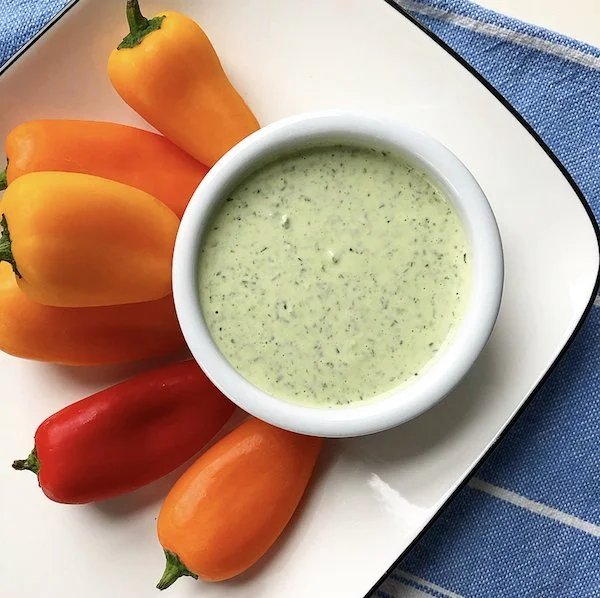
Dips like hummus, Greek yogurt ranch, salsa
Popcorn
Often, you only need to purchase a few items to supplement what you already keep on hand.

Step 5: Build Your Grocery List From Your Plan
Once your priority meals are outlined, create your grocery list.
I recommend organizing the list by the layout of the store:
Produce
Protein
Dairy
Grains and starches
Pantry items
Frozen foods
This makes shopping faster and helps reduce forgotten items.
As you make your list, double-check that each item has a purpose.
Step 6: Remember That the Plan Can Change
This may be the most important step.
A meal plan is a tool, not a contract. You can swap meals around, order takeout, or save a recipe for next week.
The goal isn't following the plan perfectly. It’s reducing the daily stress of figuring out what to eat.
A good meal plan creates options and structure while leaving room for real life.
Because the best meal planning system isn't the most organized one—it's the one you'll actually use.