Before you plan your meals, plan your grocery strategy
My approach to all things nutrition is rooted in practicality and creating sustainable routines that mirror how we actually eat, especially meal planning.
Although I love Pinterest for organizing recipes, meal planning doesn’t have to look like a Pinterest activity. I see it as a household management skill that reduces stress around eating and makes building healthy habits easier.
Which is why when clients want to talk meal planning, I start with:
"Tell me about your grocery shopping routine."
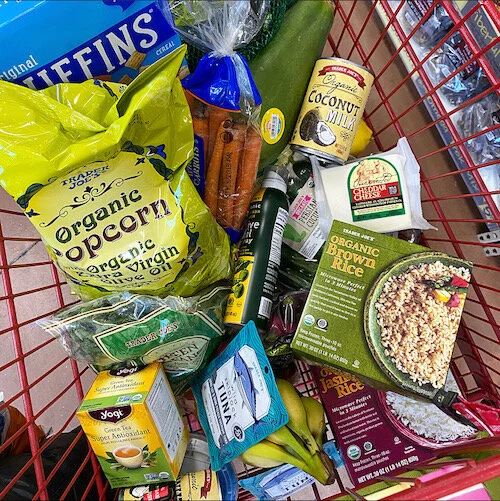
It might seem like a small detail, but I've found that successful meal planning starts long before recipes. It starts with having a shopping strategy that works for your lifestyle.
Step 1: Think About When You Shop
Start by identifying when grocery shopping realistically fits into your week.
Ask yourself:
What day do I typically grocery shop?
Is that day working for me?
Do I feel rushed when I shop?
Am I constantly running out of food before my next trip?
For example, if you shop every Sunday, you're likely planning meals for the week ahead. If the weekend means more family members at home or the time you’re more likely to rely on dining out, you may consider stocking up before then.
There isn't a right answer, and your answer may change based on seasons, activities, holidays or work and school load. So, then…
Step 2: Decide Whether One Shopping Trip Is Enough
Many people grocery shop once per week by default. Sometimes that's realistic. Sometimes it isn't.
You may find that:
One larger weekly trip works well.
A weekly trip plus a quick produce run mid-week feels more manageable.
Grocery delivery fills in gaps during busy seasons.
Different stores serve different purposes.
The goal isn't efficiency for efficiency's sake. The goal is making sure you have the foods you need when you need them so you can maintain healthy habits and feel good throughout the week.
Step 3: Make Shopping Easier

If grocery shopping feels like a burden, consider ways to simplify the process.
Could you:
Use grocery pickup?
Schedule grocery delivery?
Keep a running list on your phone?
Order recurring staples online?
Many of my clients find that reducing the mental load of grocery shopping makes meal planning feel much more approachable.
Step 4: Consider what happens when you get home from the store
One of the most overlooked parts of meal planning happens after the groceries come home.
If possible, build in a little extra time after shopping to set yourself up for success during the week. This doesn't have to mean hours of meal prep. Instead, consider:
Preparing grab and go fruits and vegetables (I LOVE this container for having fruits and veg ready to go, but also storing smaller amounts of leftovers to add to salads, pastas, etc throughout the week)
Creating a snack section of the pantry for kids
Organizing the refrigerator to prioritize eating leftovers
Restocking larger containers of items you buy in bulk
Portioning foods into grab-and-go containers
Making a list for the fridge of what you bought to eat that week including meals and “always available” items
Even 15-20 minutes can make healthy choices easier throughout the week.

These questions may not seem directly related to meal planning, but they often reveal the real barriers to easy, healthy eating. If you're constantly running out of ingredients, forgetting what you bought, or relying more than you’d like to on restaurants, meal planning can feel frustrating no matter how many recipes you save!
Ready to meal plan? Here’s my framework for a successful week ahead.