How to Get Enough Protein as a Vegetarian following a Low FODMAP Diet
If you're following both a vegetarian diet and trying out the low FODMAP diet, you've probably wondered if it's possible to meet your protein needs.
The good news? You have more choices than you think. With a little planning (and by combining a few different protein sources throughout the day) you can absolutely meet your protein needs while keeping your gut happy.
Here’s are the recommendations I make to my clients:
Spread your protein intake out throughout the day
This is a best practice for anyone! Spreading protein out throughout the day helps make meals satisfying while maintaining energy levels.
A reasonable goal for many adults is:
20–30 grams of protein at meals
10–15 grams at snacks
It adds up faster than you think.
Don't rely on just one protein source
One of the easiest ways to increase your protein intake and keep symptoms low is to stop thinking about one protein food at each meal and start thinking about two.
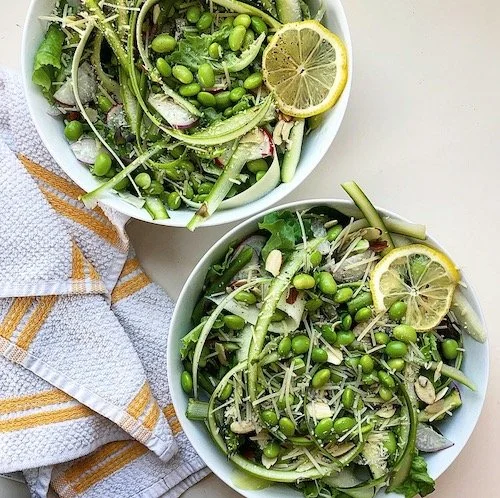
For example, if you're making a grain salad with quinoa, add spoonful of canned chickpeas. If you're having a stir fry with tofu, toss in some edamame. If breakfast is Greek yogurt, add hemp seeds or peanut butter, too.
My favorite low FODMAP vegetarian protein foods
Here are the foods I find myself recommending over and over again:
Lactose-free and low-lactose dairy:
Lactose-free Greek yogurt, ¾ cup, 17–18 g
Lactose-free cottage cheese, ¾ cup, 21 g
Lactose-free cow’s milk, 8 oz, 8 g
Cheddar or mozzarella cheese, 1 oz, 7 g
Feta cheese, 1 oz, 4 g
Parmesan cheese, 2 Tbsp, 4 g
Eggs, 1 egg, 6 g
Soy foods:
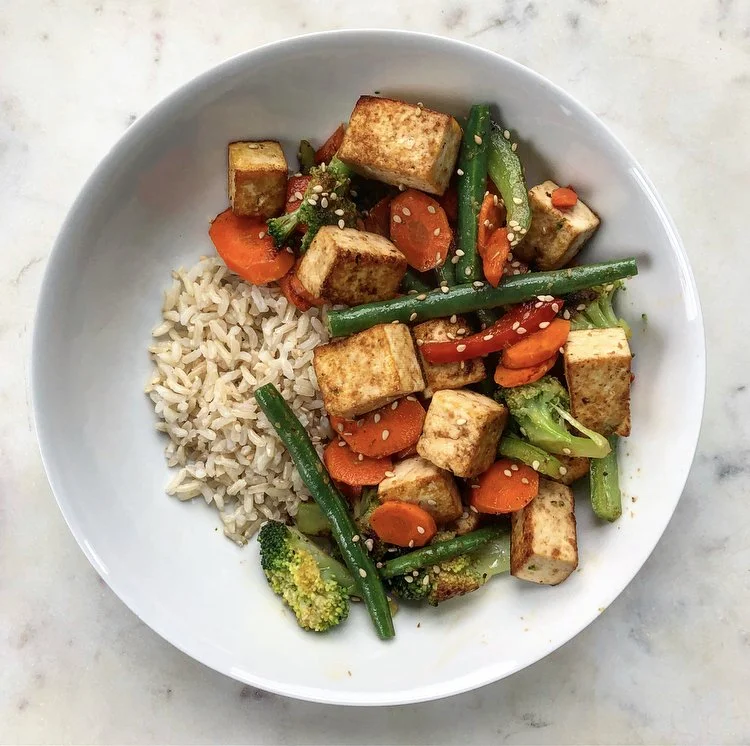
Extra-firm tofu, 4 oz, 11–12 g
Shelled edamame, ½ cup, 9 g
Legumes - choose canned versions and drain and rinse before eating!
Lentils, 1/3 cup, 6 g
Chickpeas, 1/3 cup, 5 g
Whole grains, nuts and seeds:
Quinoa, 1 cup cooked, 8 g
Oats, 1/2 cup dry, 5 g
Pumpkin seeds, 2 Tbsp, 5 g
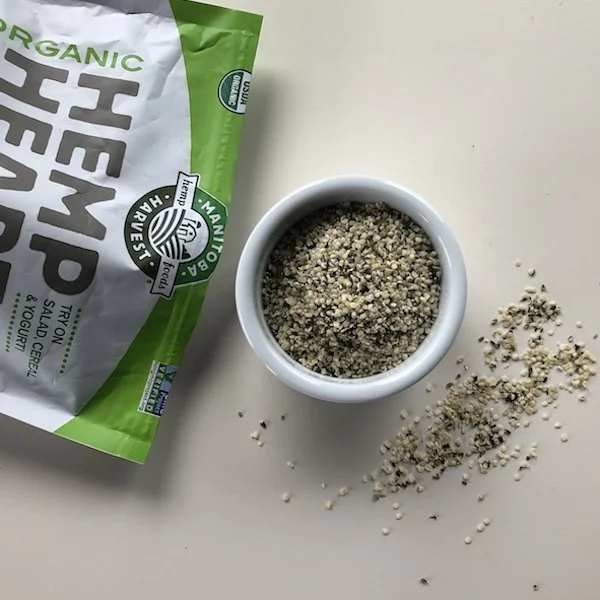
Hemp seeds, 3 Tbsp, 10 g
Chia seeds, 2 Tbsp, 4 g
Flax seeds, 2 Tbsp, 4 g
Walnuts, 1 oz, 4 g
Pecans, 1 oz, 3 g
Here's what 100 grams of protein can look like
Breakfast (~30 g)
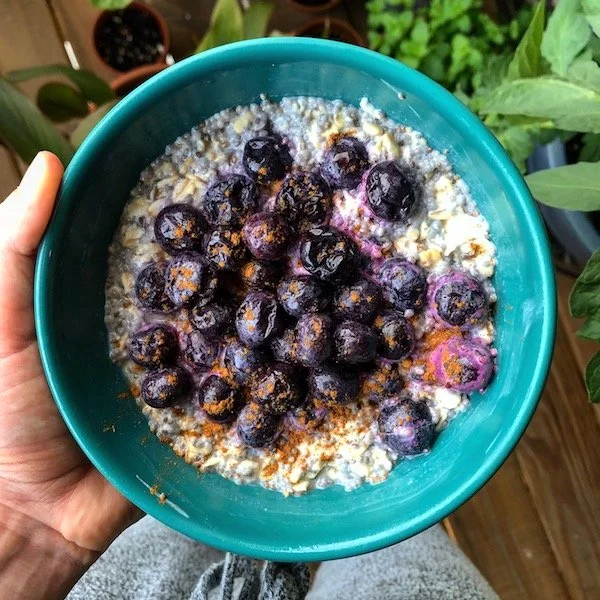
Overnight oatmeal made with ½ cup rolled oats (5 g), 1/2 cup lactose-free milk (4 g), 1/2 cup lactose-free Greek yogurt, (~11 g) 2 tablespoons peanut butter (8g), 1 tbsp chia seeds, and maple syrup. Top with half a banana or blueberries!
Morning Snack (21 g)
¾ cup lactose-free cottage cheese with tomatoes.
Lunch (~20 g)
A quinoa bowl with 1 cup of cooked quinoa (8 g), ⅓ cup canned chickpeas (5 g), 1 cup sauteed spinach (2 g), 1 oz of feta cheese (4 g), 1 tbsp of pine nuts and squeeze of lemon.
Afternoon Snack (9 g)
½ cup shelled edamame
Dinner (~26 g)
Pasta with 1 cup of chickpea pasta (~20 g) with Rao's Sensitive Marinara + 1/3 cup of lentils (6 g), and Parmesan cheese to top. Add sauteed green beans to make it a complete meal :)
Notice that no single meal is doing all the work. Every meal and snack contributes a little, which makes getting enough protein feel much more manageable.
Need some ideas?
Here are a few more combinations I love for meals:
A smoothie with lactose-free cow’s milk, chocolate protein powder, chia seeds, hemp seeds, peanut butter and a frozen banana
Greek yogurt with berries and chia seeds
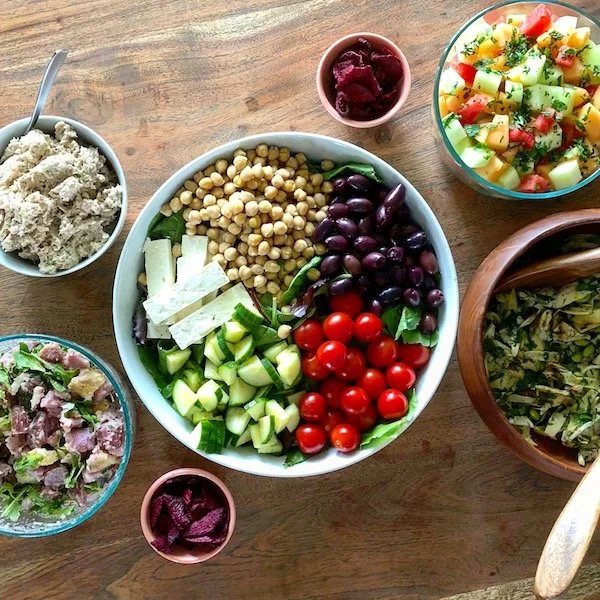
A Greek salad with cucumbers, tomatoes, chickpeas, feta and olives
Rice bowls with teriyaki tofu, edamame, steamed broccoli and sesame seeds
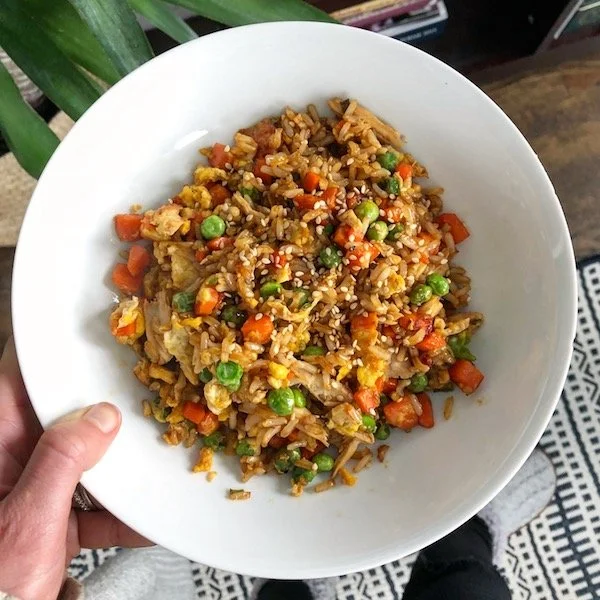
Veggie fried rice with scrambled eggs, edamame and a cup of mixed veggies
The bottom line
By including protein throughout the day and combining a few different protein sources at meals, you can meet your protein needs without overthinking it. Focus on building meals with foods you enjoy, experiment with different combinations, and remember that every little bit counts.
Protein doesn't have to come from one perfect food. Sometimes the best meals are the ones where a few different foods work together :)