Easy Upgrades to Everyday Meals
When you’re trying to eat healthier, it’s easy to assume you need to do a complete diet overhaul.
But in my experience, most people don’t need a whole new menu. They need a few easy ways to make the meals they’re already eating a little more balanced and satisfying.
Sometimes the answer is more protein. Sometimes it’s the addition of fruits or vegetables. Sometimes it’s simply making sure you’re eating enough.
Here are some of my favorite easy upgrades for everyday meals:
Start with the meals you already eat
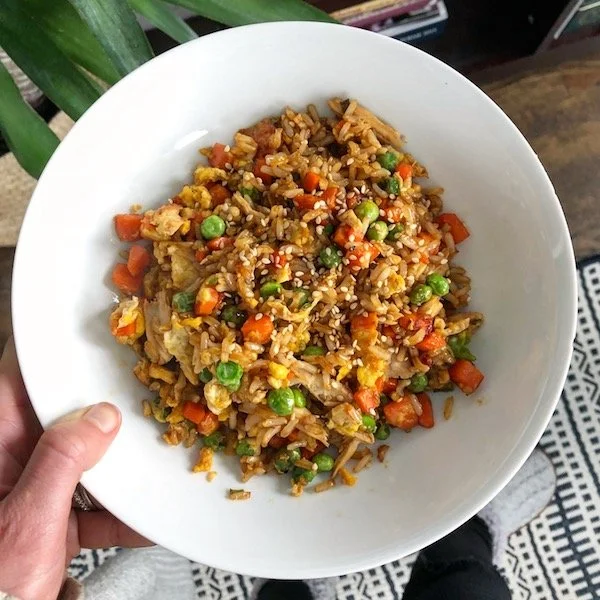
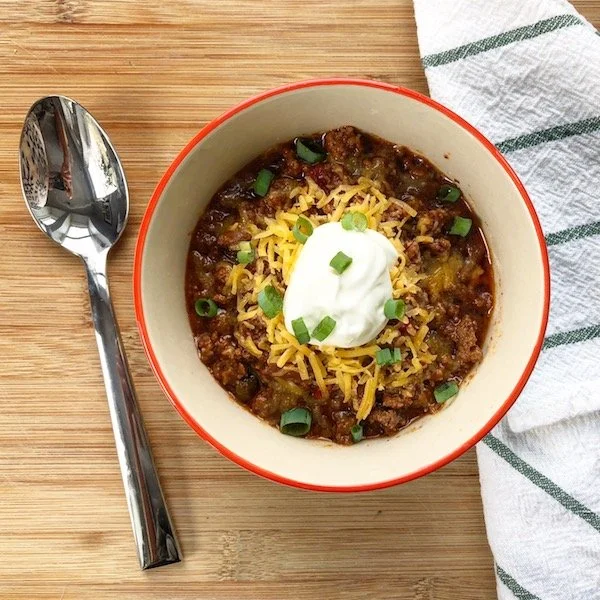

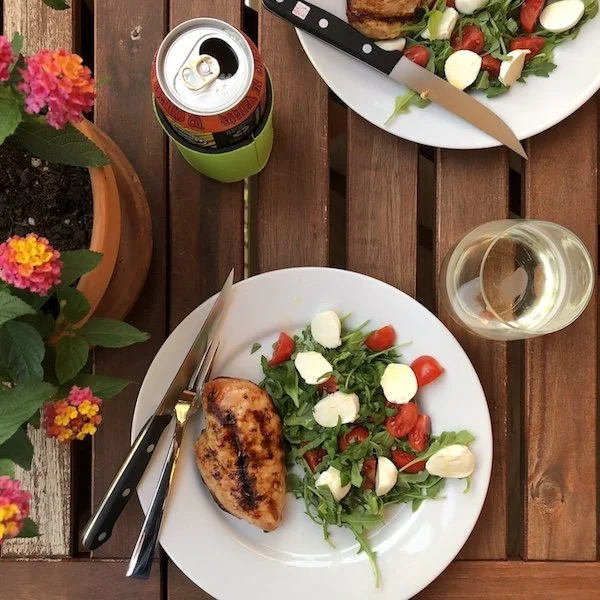
Before you start saving dozens of new recipes, take a look at what you’re already eating regularly. I recommend making a list of “go to” meals or family favorites to remind yourself about what’s already working. Here’s my family’s list of favorite lunches and dinners:
Tacos
Lettuce wraps
Rice bowls
Something with pasta
Chili and soup (in the winter)
Add protein to meals that leave you hungry
If you regularly find yourself hungry again an hour or two after eating, take a look at the protein in that meal. Maybe you need to increase the portion size or maybe you could add another protein source:
Some easy options include:
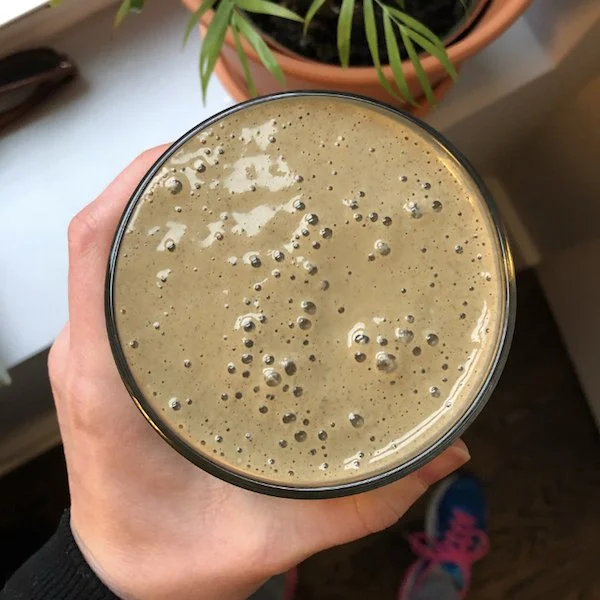
Start the day with a smoothie? Include cow’s milk, nut butter, Greek yogurt, hemp seeds, or protein powder
Salad leaves you starving? Add a hard boiled egg, edamame, canned beans or lentils, mozzarella balls, or a scoop of tuna or chicken salad
Pasta has no protein? Try a protein pasta, or a whole wheat or chickpea option. Or add meatballs, ground meat, or leftover chicken
Kids love pancakes? Top with peanut butter or add chicken sausage
Here are some other easy-to-add protein options for breakfast, lunch and dinner:
Eggs - hard boiled eggs can be added to any meal or snack and you can always throw an egg on a grain bowl for additional richness
Cottage cheese or Greek yogurt
Rotisserie chicken
Canned tuna or salmon
Beans or lentils
Edamame - buy shelled options for convenience or add to your take out order!
Cheese
Nuts or nut butter
And you don't have to get all of your protein from one food. Combining a few smaller sources throughout the day can make this much easier.
Add produce where it actually makes sense
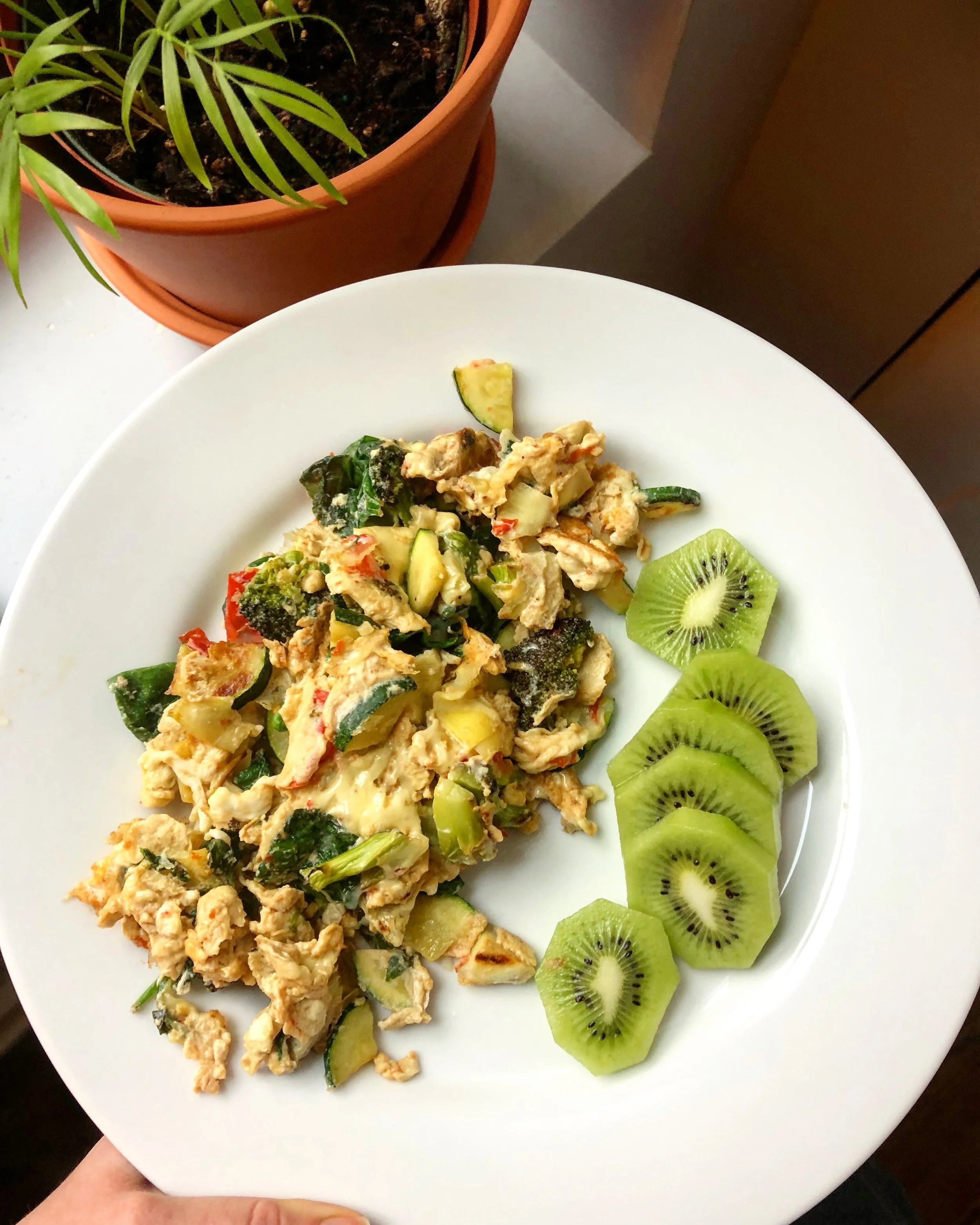
“Eat more vegetables” is good advice, but it isn't always particularly helpful.
Instead, think about where produce can naturally fit into the meals you already eat:
Add berries or half of a banana to breakfast
Put leftover cooked veggies in your eggs
Add a handful of spinach or frozen cauliflower to your morning smoothie
Add lettuce, tomatoes or cucumber to a sandwich
Add cut veggies to your snack spread
Throw diced carrots, celery or lentils into pasta sauce
Mix frozen vegetables into rice leftover rice for a fast fried rice
Add a piece of whole fruit to your lunch.
And don't underestimate convenience! Frozen fruits and vegetables, pre-cut produce, canned fruit, applesauce and other ready-to-eat options can all make it easier to eat more.
The best vegetable is often the one you'll actually eat.
Make your snacks more satisfying
Snacks are another place where a small upgrade can make a big difference.
If you typically reach for something like crackers, pretzels, or chips and find yourself hungry again shortly afterward, try adding protein or fat.
Classic combos include:
Crackers + cheese
Apple + peanut butter
Popcorn + a cheese stick
Fruit + Greek yogurt
Whole wheat crackers or toast + avocado
Vegetables + hummus
Nuts + dried fruit
You don't need to turn every snack into a complicated mini-meal. Just consider whether adding one more component would help it keep you satisfied longer.
Upgrade your convenience foods

Convenience foods don't have to be the opposite of healthy eating. I often encourage clients to use convenience foods strategically to simplify meal planning and prep.
Look to the freezer section or deli in your grocery store OR the appetizers and sides from your favorite restaurant to find simply prepared proteins and vegetables that may instantly (as in no cooking required) make a meal more satisfying.
Try:
Pantry pasta + jarred tomato sauce + store-bought meatballs or pre-cooked lentil + a vegetable
Rotisserie chicken + microwaveable rice or quinoa + a vegetable
Frozen dumplings + edamame
Canned tuna + crackers + fruit or cut veggies
Frozen bean burrito + avocado + salsa + fruit
You don't get extra nutrition points for making everything from scratch ;)
Don't forget about portions
Sometimes the upgrade is simply eating enough.
If you regularly finish a meal feeling unsatisfied, you may simply need more food.
Pay attention to how you feel after meals. Are you comfortably satisfied? Are you hungry again very quickly? Are you routinely needing a snack immediately afterward?
These can be useful clues that your meal needs to be a little more substantial.
And if you have GI symptoms, your upgrades may look different
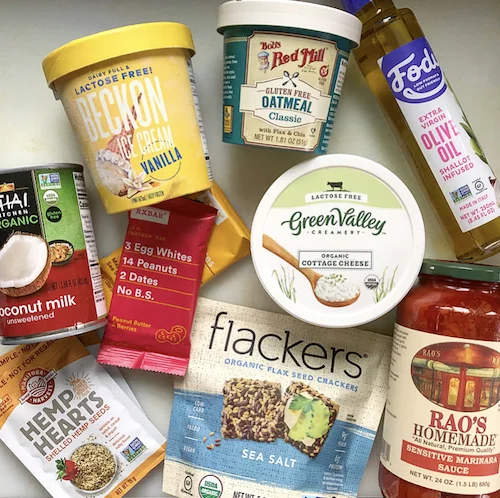
If you deal with IBS or other digestive symptoms, “eat more fiber” or “add more vegetables” isn't necessarily the right advice for every meal.
Your upgrades should take your individual tolerance and symptoms into account.
That might mean choosing cooked vegetables instead of raw, adding a smaller portion of beans or lentils, using lactose-free dairy, or choosing a carbohydrate that you know sits well with you.
Eating well doesn't mean following a generic list of “healthy foods.” It's about finding foods and combinations that are nourishing and work for YOUR body.
Need help figuring out what works for you?
If you’re feeling overwhelmed by nutrition advice or aren’t sure how to make healthy eating work with your schedule, preferences, or digestive needs, you don’t have to figure it out on your own.
A dietitian can help you identify simple, realistic changes that fit your life. Because sometimes, a few small, personalized changes are all you need to feel more confident about what you're eating.
Interested in getting support for your nutrition goals? Learn more about working with me and schedule a nutrition counseling appointment here.