My Simple Meal Planning Shortcuts (That I Use With Clients All the Time)
If traditional meal planning feels overwhelming, you’re not alone.
One of the biggest reasons people avoid meal planning is because they think it has to look like a full weekly menu with seven unique dinners, detailed recipes, and a perfectly coordinated grocery list.
That version of meal planning is not realistic for most people—and honestly, it’s not necessary for it to be effective.
When I work with clients, I often shift the goal from planning everything to planning just enough. Just enough structure to reduce stress. Just enough direction to make grocery shopping easier. Just enough flexibility to actually use the plan in real life.
Here’s what that might look like:
Step 1: Choose 3–4 Dinners
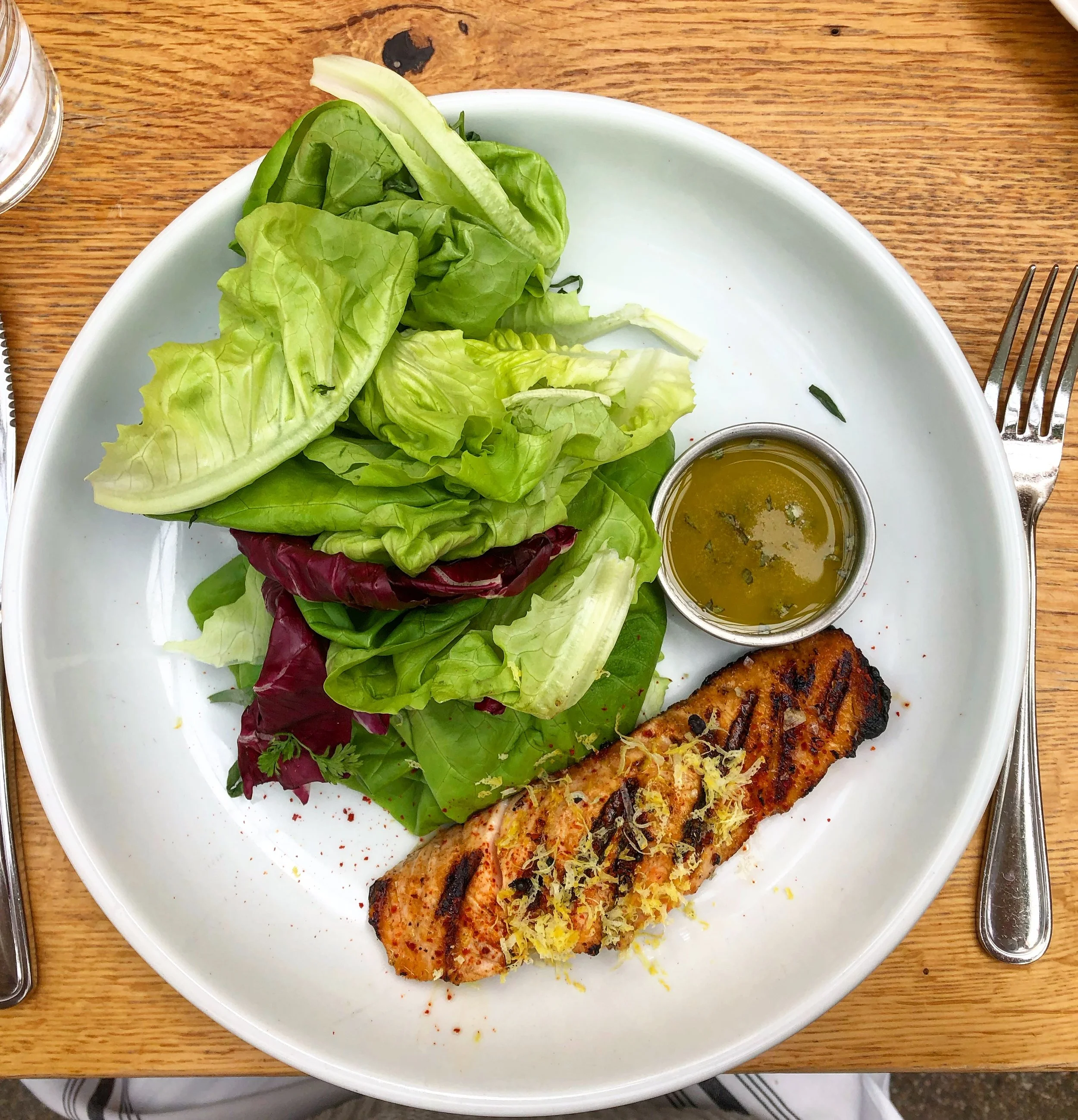
Start with a small number of dinners (not seven).
Most households do really well with:
1–2 quick dinners (15–30 minutes)
1 leftover-friendly meal
1 family favorite or “default” meal
That’s it.
A few examples might be:
Rotisserie chicken + sauteed greens or green beans + potatoes
Pasta with meat, beans or lentils added to jarred tomato sauce + a simple salad
Tacos with ground beef or turkey + cheese + tomatoes or salsa + lettuce
Sheet pan of roasted salmon and vegetables
Breakfast-for-dinner (pancakes, chicken sausage, eggs, smoothie or fruit)
You don’t need novelty every night. You need a few reliable meals you can rotate through.
Step 2: Pick 2 Breakfast Options
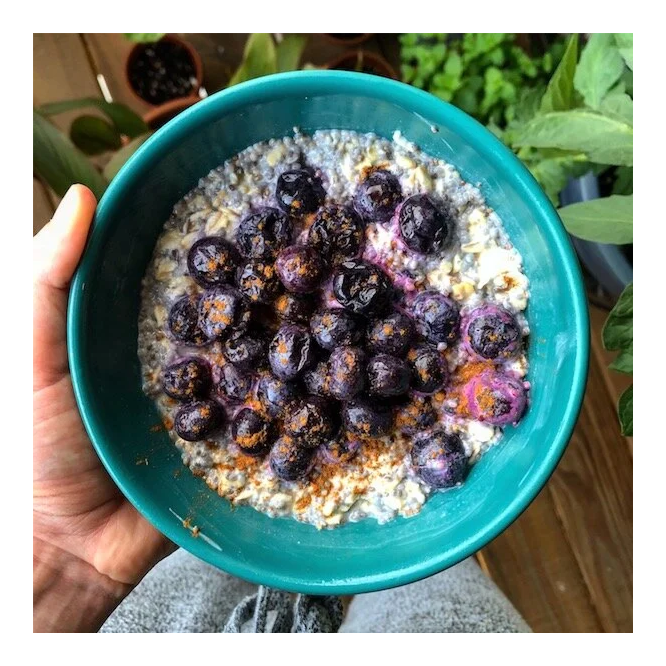
Breakfast often becomes easier when it’s repetitive.
Instead of planning something different every morning, choose a couple of go-to options like:
Yogurt + fruit + granola
Eggs + toast + fruit
Oatmeal or overnight oats with toppings
Smoothies
Leftover pancakes or waffles (from the weekend) with peanut butter and fruit
The goal is simple: mornings should feel automatic, not like a second meal planning session.
Step 3: Pick 2 Lunch Options
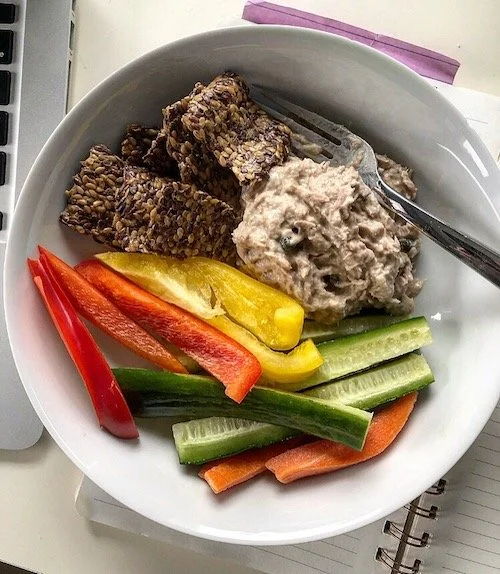
Lunch is where many people default to “whatever is around,” which often leads to inconsistent eating or frustration.
A helpful shortcut is choosing 2–3 reliable lunch options such as:
Leftovers from dinner
Sandwiches or wraps
Snack-style lunch (cheese, crackers, fruit, veggies, hummus, hard boiled eggs)
Grain bowls using leftover ingredients
Soup with crackers or sourdough bread
You’re not locking yourself in—you’re just giving yourself a starting point.
Step 4: Pick 3 Snack Ideas

Snacks don’t need to be planned in detail, but having a loose structure helps reduce grazing and adds an opportunity for additional nutrition.
Think:
Something with protein (cheese, jerky, yogurt, nuts or nut butter, edamame)
Something with fiber (fruit or dried fruit, veggies, popcorn, crackers, hummus)
This keeps snacks balanced without requiring extra items to be added to your grocery list.
Step 5: Build Your Grocery List From This Framework
Once you’ve chosen your simple framework, your grocery list becomes almost automatic.
Instead of starting from scratch, you’re just asking:
What do I need for my 3–4 dinners?
What additional items to I need for breakfast?
What fills in lunches and snacks?
What pantry staples or cooking supplies do I need to restock?
Why This Works
This approach works because it matches how most people actually eat.
You’re not creating a rigid plan you have to follow perfectly.
You’re creating a flexible structure that supports your real life with ingredients that are interchangeable in case your plans change.
Some nights you’ll follow the plan exactly. Other nights you’ll swap meals, eat leftovers, or order takeout. Both are expected.
The goal isn’t perfection. The goal is to make feeding yourself feel less stressful and more sustainable over time.